Improve Pronunciation with Tongue Twisters and learn how to pronounce letter and consonant sounds in English with fun
Improve Pronunciation with Tongue Twisters

Learning the correct pronunciation of the English language is very important. Tongue twisters help us learn to pronounce letter and consonant sounds. By practising these tongue twisters our spoken language improves very quickly.
Here are 12 tongue twisters that can improve English pronunciation:

If two witches would watch two watches, which witch would watch which watch?
This helps us pronounce the ‘wh-’ and ‘w-‘ sound.
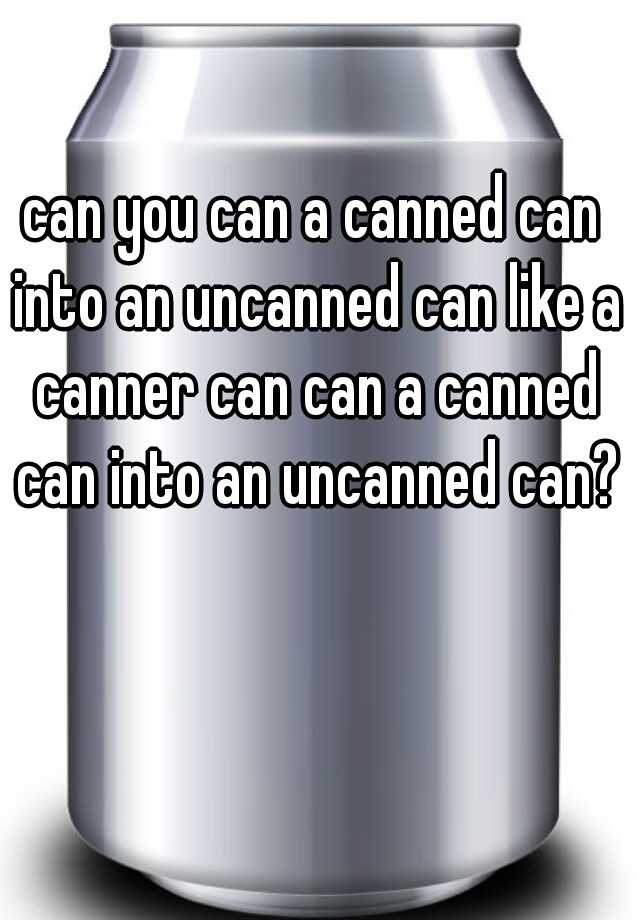
Can you can a can as a canner can can a can?
This tongue twister helps us pronounce the word ‘can’.

I have got a date at a quarter to eight. I’ll see you at the gate, so don’t be late.
This helps us practice the sounds of ‘-ate’.
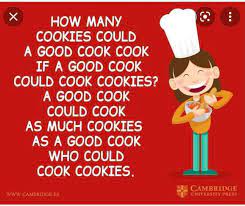
How many cookies could a good cook cook if a good cook could cook cookies? A good cook could cook as much cookies as a good cook who could cook cookies
This tongue twister helps us practise the ‘coo’ sound.

How much wood would a woodchuck chuck if a woodchuck could chuck wood? He would chuck, he would, as much as he could. And chuck as much wood as a woodchuck would If a woodchuck could chuck wood
This tongue twisters helps us pronounce the sounds ‘wo-’ and ‘ch-”
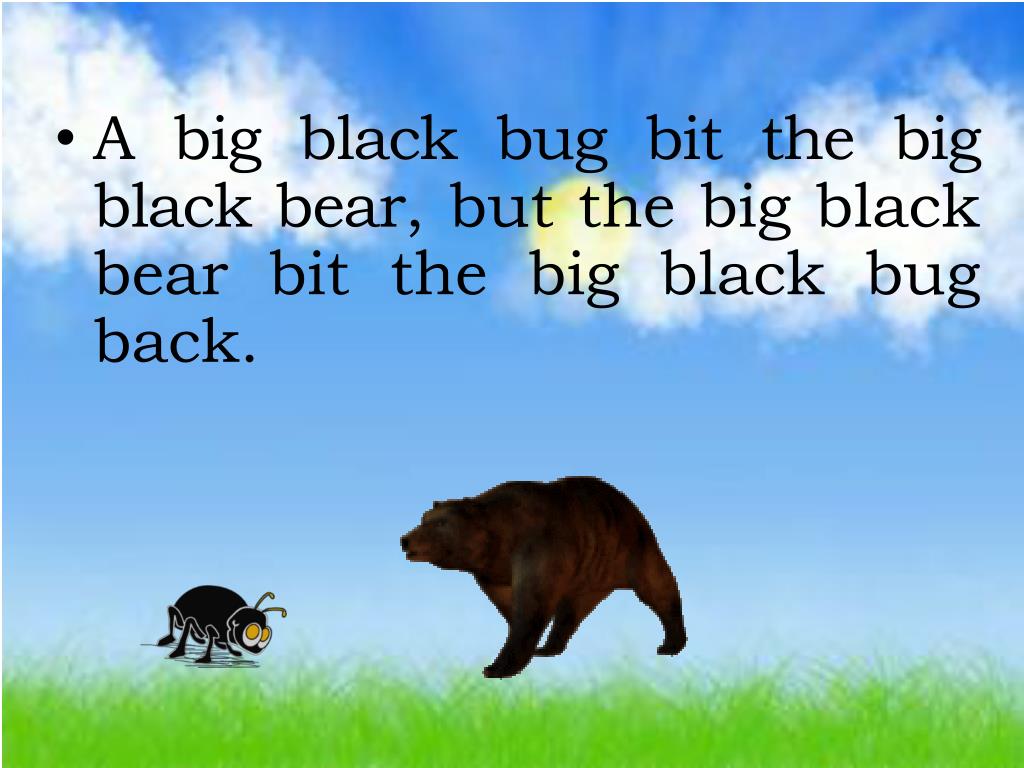
Black bug bit a big black bear. But where is the big black bear that the big black bug bit?
This tongue twister helps us pronounce ‘bl’ and ‘bu’ sounds.
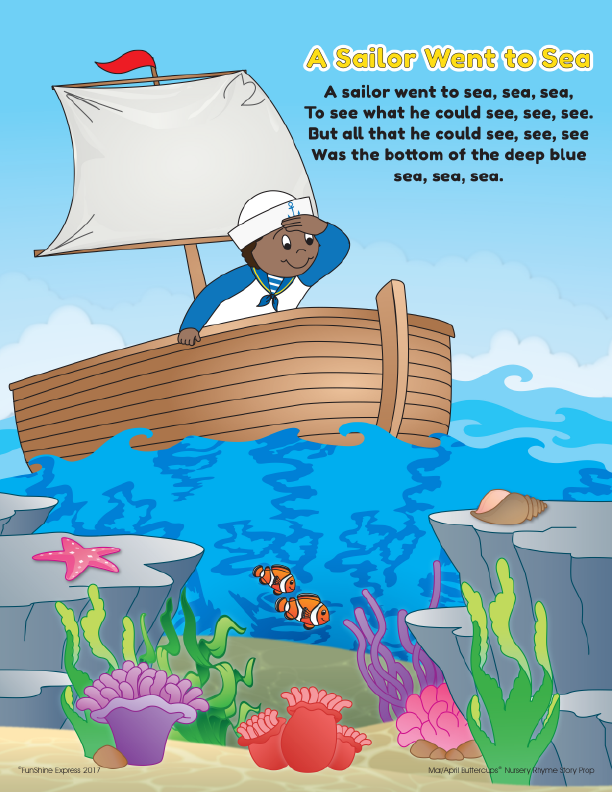
A sailor went to sea, sea, sea, to see what he could see, see, see. But all that he could see, see, see was the bottom of the deep blue sea, sea, sea.
This tongue twister includes the 2 different spellings of sea and see both of which have the same pronunciation.
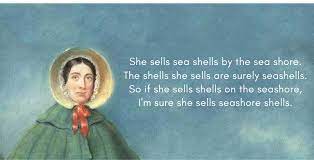
The shells seashells are surely seashells. She sells seashells by the seashore. So if she sells shells on the seashore I’m sure she sells seashore shells.
This tongue twister helps us pronounce the ‘s’ and the ‘sh’ sounds.
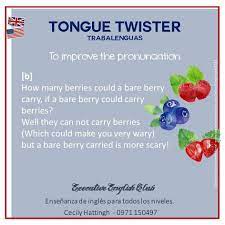
How many berries could a bare berry carry, if a bare berry could carry berries?
This tongue twister helps us pronounce the ‘b’ sound.

I’m not the pheasant plucker; I’m the pheasant plucker’s mate. I’m not the pheasant plucker; I’m the pheasant plucker’s son. And I’m only plucking pheasants till the pheasant pluckers come.
This tongue twister helps us pronounce both the ‘p’ and the ‘f’ sounds.

Peter Piper picked a peck of pickled peppers. A peck of pickled peppers Peter Piper picked. If Peter Piper picked a peck of pickled peppers, Where’s the peck of pickled peppers Peter Piper picked?
This tongue twister helps us pronounce the ‘p’ sound.

I wish to wish the wish you wish to wish, but if you wish the wish the witch wishes, I won’t wish the wish you wish to wish
This helps us to pronounce the ‘wi-‘ sound
Children and adults love saying tongue twisters. Start by saying each tongue twister slowly and then repeat again and again trying to say each word as clearly as possible as quickly as possible.
Tongue twisters produce many laughs and are a great way of learning to speak English with friends. Tongue twisters are great practice whether you are a beginner and start with simple tongue twisters and then moving on to more difficult tongue twisters as your English pronunciation improves.
Here are links to other tongue twisters you can practice on YouTube:
https://www.youtube.com/@TongueTwistersofficial
https://www.youtube.com/@supplies4cpap/videos
Here is a Phonemic chart from the British Council